7 Reasons Why You Should Choose Digital Marketing as a Career
Choosing a career path can feel overwhelming, especially when traditional industries no longer offer the stability they once did. If you are looking for a career that combines growth, flexibility, and creativity, you should choose digital marketing as a career. This field has transformed from a niche business department into the backbone of global commerce. For students, freshers, and career switchers alike, learning how to promote brands online opens up an expansive world of professional possibilities.
Key Takeaways
- High Demand: Businesses globally are prioritising online visibility, leading to massive job security.
- Low Barrier to Entry: You do not need a specific university degree to land an entry-level job.
- Dual Nature: The field perfectly balances creative tasks with data-driven analytics.
- Flexibility: Remote work and freelancing opportunities are abundant across the industry.
What is Digital Marketing and Why is it Growing Fast?
Digital marketing is the practice of promoting products, services, or brands using electronic devices and online channels like search engines, social media, email, and websites. Unlike traditional marketing, which relies on print ads or billboards, this modern approach allows companies to interact with target audiences in real time. Consequently, businesses can track user behaviour in real time, making their promotional campaigns incredibly efficient and cost-effective.
The rapid expansion of this industry is primarily driven by the global shift in consumer habits toward online shopping and digital entertainment. Because billions of people use the internet daily, companies must establish a strong online presence to survive. This shift has turned online brand promotion into one of the most in-demand career paths worldwide. As organisations invest heavily in their digital infrastructure, the need for skilled professionals continues to outpace the available talent pool.
Reasons to Choose Digital Marketing as a Career
If you are wondering why digital marketing is a good career, the answer lies in its unique combination of accessibility, growth, and variety. Below are seven compelling reasons to enter this field.
1. An Expanding Industry with Lots of Available Jobs
High demand in this industry means that businesses are constantly searching for skilled professionals to manage their online presence. Because companies cannot acquire customers without an online strategy, marketing budgets are shifting permanently toward the digital space. This ongoing corporate investment ensures job security for digital marketing professionals even during economic downturns.
Furthermore, the digital marketing growth potential remains higher than in many legacy industries. From small local startups to multinational corporations, every single business entity requires digital visibility. Therefore, choosing this path means entering an industry where the job market is actively expanding rather than shrinking.
2. Easy to Start Learning Without Expensive Training
A low barrier to entry means that individuals can enter the digital marketing field without investing years into expensive, formal university programs. Unlike fields like medicine or engineering that require strict institutional credentials, this industry prioritises practical skills over formal pieces of paper. Anyone with a laptop, an internet connection, and a willingness to learn can master the foundational concepts independently.
Consequently, having no degree in digital marketing will not hold you back from landing your first job. Beginners can easily access free online tutorials, documentation, and industry blogs to build their knowledge base. By utilising accessible digital marketing tools for beginners, you can practice running mock campaigns and gain hands-on experience right from home.
| Traditional Careers | Digital Marketing Career |
| 4-Year Formal Degree | Demonstrate Practical Skills |
| Strict Certifications | Build a Live Portfolio |
| High Financial Cost | Low Financial Barrier |
3. A Perfect Match for Both Creative and Logical Minds
Satisfying both creative and analytical minds means that digital marketing offers a unique career ecosystem where different personality types can thrive together. The industry is not a monolith; instead, it requires a distinct creative and analytical mix of talent to execute successful campaigns. Whether you love writing visual stories or analysing complex data patterns, there is a dedicated space for your natural strengths.
For instance, artistic individuals can focus on designing visual assets, building a content marketing strategy, or managing brand narratives. Meanwhile, data-minded individuals can dive deep into tracking user behaviour, managing budgets, and executing data-driven marketing campaigns. This balance ensures that your day-to-day tasks align perfectly with how your brain naturally works.
4. You can work as a freelancer too.
A freelancing opportunity in digital marketing refers to the ability to work independently as a self-employed professional serving multiple clients simultaneously. Because all marketing work takes place on the cloud, you do not need to be chained to a corporate office cubicle. This setup makes the field incredibly attractive for individuals who prioritise personal freedom and work-life balance.
Choosing this route allows you to operate as an independent freelance digital marketer, giving you complete control over your schedule and client selection. Additionally, the global nature of the internet means you can easily apply for remote digital marketing jobs based in different countries. This flexibility enables you to build a profitable business from anywhere in the world.
5. Don’t Need Any Specific Degree or Background to Get a Job
Not needing a specific background means that your past professional or educational history does not dictate your future success in this field. Employers in this space care deeply about what you can execute today, not what you studied five years ago. This practical focus makes a career change to digital marketing highly achievable for professionals from all walks of life.
When transitioning, you will find that many of your previous professional skills act as valuable transferable skills. For example, a former teacher might excel at content creation, while a former sales representative might master consumer psychology. To bridge the gap, freshers can complete targeted digital marketing certifications for freshers to quickly prove their knowledge to hiring managers.
6. Excellent Opportunities to Increase Your Salary Quickly
Earning potential in digital marketing refers to the financial compensation and salary growth scalability you can achieve as you gain experience. While entry-level positions offer a comfortable starting point, your income can scale rapidly as you master specialised skills. The more revenue you can generate for a business, the higher your financial compensation will climb.
For those just starting, the entry-level digital marketing salary provides a highly competitive baseline compared to other entry-level corporate jobs. As you progress along the digital marketing career path for beginners, your earning capacity increases significantly. Specialists who understand paid ads or advanced optimisation strategies often command premium salaries or high freelance retainers.
7. Many Different Types of Jobs to Choose From
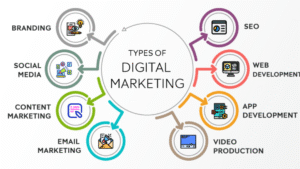
There are various digital marketing subdomains to choose from, allowing professionals to pivot until they find their perfect fit. You are never stuck doing just one type of task for your entire career, as the industry regularly introduces new roles when technologies adapt. When looking at the digital marketing career scope for freshers, you can choose to specialise in several distinct areas depending on your personal strengths:
- Search Engine Optimisation (SEO): Optimising website content so that search engine crawlers can easily find, understand, and rank your pages in the search engine index.
- Social Media Marketing (SMM): Managing brand communication, community engagement, and viral campaigns across networks like Instagram, LinkedIn, and TikTok.
- Pay Per Click (PPC) Marketing: Managing paid advertising budgets on platforms like Google or Meta to drive direct sales and leads.
- Email Marketing: Designing targeted email campaigns and automated workflows to nurture leads, retain customers, and build long-term brand loyalty.
- Content Marketing: Creating highly valuable articles, videos, and infographics to satisfy user search intent and naturally attract an audience.
Additionally, as you grow, you will choose between working for a digital marketing agency vs. an in-house brand team. Agencies expose you to dozens of different client industries quickly, while in-house roles let you focus deeply on growing a single brand.
Should You Choose Digital Marketing as a Career?
In conclusion, choosing digital marketing as a career is an excellent choice if you want a future-proof, high-growth, and dynamic professional life. The field offers a low barrier to entry, competitive financial rewards, and the flexibility to work from anywhere in the world. If you are ready to take action, focus on acquiring core digital marketing skills for beginners, such as understanding user search intent and practising with basic analytics tools. Start by building your own simple website or managing social media for a local business to create a live portfolio that proves your capabilities to employers.
Frequently Asked Questions (FAQs)
⮚ Yes, digital marketing is an exceptional career choice because businesses will always need to acquire customers online. The integration of artificial intelligence in digital marketing is not replacing human marketers; instead, it is creating new opportunities for professionals who know how to use AI tools efficiently.
⮚ No, digital marketing is not inherently difficult to learn because it relies heavily on practical application rather than complex theoretical science. While keeping up with a fast-paced industry requires continuous upskilling for digital marketing, the foundational concepts are highly intuitive and accessible to anyone.
⮚ Yes, you can absolutely land a job without a formal marketing degree by demonstrating your skills through real-world projects. Building a personal portfolio, earning free online certificates, and showing a deep understanding of core concepts like building backlinks will matter much more to employers than a traditional diploma.
⮚ The main pros include high job demand, remote work flexibility, excellent earning potential, and diverse day-to-day tasks. The main cons include the need to constantly adapt to a fast-paced industry, managing algorithmic changes, and the pressure of meeting measurable return-on-investment (ROI) targets for clients.
⮚ You should start a career in this field because it offers rapid career progression, vast specialisation options, and an accessible learning path. Unlike traditional fields that require expensive schooling, this industry allows you to learn by doing, build an independent business, and scale your income based purely on your performance.