What is On-Page SEO? An Absolute Beginner’s Guide
Imagine building a stunning digital portfolio or a beautifully designed website, only to realise that nobody can find it. For millions of students, career switchers, and fresh marketers entering the industry, this is the first major hurdle they face. Fortunately, learning on page seo is the definitive solution to getting your website noticed by both search engines and real users.
This introduction to on page seo will break down the foundational concepts you need to grow your organic traffic from scratch. By understanding the meaning of on page seo you can transform a quiet website into an active, visible hub. Let us dive into the core mechanics of how this works and why it shapes your entire search strategy.
Key Takeaways
- Control: On-page optimisation gives you total control over the variables that dictate how search engines perceive your site.
- Human-First: Modern optimisation prioritises the reader’s experience, engagement, and clarity over technical tricks.
- Core Elements: High-quality text, strategic HTML structural tags, clean URLs, and fast loading times form the bedrock of success.
- Sustained Growth: Correct implementation builds topical authority, allowing new sites to rank for valuable search terms over time.
What is On-Page SEO? (Definition & Basics)
On-page SEO is the strategic practice of optimising individual web pages to rank higher and earn more relevant traffic in search engines. The term on-page seo definition encompasses both the visible text on the page and the underlying HTML source code that search engines read. When you practice this form of optimisation, you are adjusting elements directly within your own website to make it more appealing. Consequently, it represents the most direct control you have over your search presence.
To truly grasp this concept, it helps to understand the broader on-page optimisation meaning. Optimisation is not a one-time chore, but rather an ongoing refinement process of aligning your content with what users want to find. As you learn the on page seo basics, you will discover that it focuses entirely on making your site accessible, structured, and genuinely useful.
What is the difference between On-Page and Off-Page SEO?
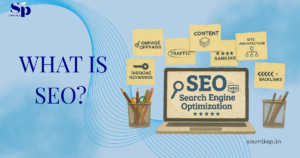
The difference between on-page and off-page SEO lies in where the optimisation actions actually take place. On-page elements are entirely within your direct control, such as your text, images, headers, and code structure. Conversely, off-page SEO involves actions taken outside of your website to impact your rankings within search engine results pages.
The most common off-page tactic is building backlinks, which are links from external websites pointing to your own site. Think of on-page optimisation as building a welcoming, well-organised house, while off-page SEO is like getting glowing recommendations from your neighbours. Both are essential ranking factors, but you must always build a solid house before inviting people inside.
Why On-Page SEO is Important for Your Website?
The importance of on page seo stems from the fact that search engines cannot read or understand a web page the way a human being does. Without proper structural signals and clear context, even the most brilliant article will remain invisible online. Therefore, optimising your assets ensures that your hard work actually reaches your target audience. Let us look at why this step is absolutely non-negotiable for your website.
Understanding why on page seo is important will change the way you write every future blog post. When you optimise correctly, you systematically guide search platforms to index your content accurately. Ultimately, this foundational practice bridges the gap between your marketing efforts and real user discovery.
Boosting Search Engine Visibility for Crawlers
Search engine visibility is the measurable frequency with which a website appears in organic search results for relevant user queries. To achieve this visibility, your site must first be scanned and interpreted by automated search engine crawlers. These virtual bots browse the internet constantly, reading code and cataloguing pages into a massive search engine index.
If your headers are messy, your images lack descriptions, or your topics are confusing, crawlers may misinterpret your page. By applying structured optimisation, you make it incredibly easy for these bots to parse your data. As a result, your site gains a much higher chance of ranking well because the search engine fully trusts what your page is about.
Enhancing User Experience (UX)
User experience is the overall satisfaction, ease of use, and utility a person feels when interacting with a digital platform. Search platforms like Google track how users behave when they visit your website. If a visitor clicks your link but leaves immediately because the page layout is confusing, your rankings will suffer.
Good optimisation naturally creates a clean, enjoyable environment for your readers. By using clear fonts, logical headings, and helpful links, you keep people engaged for longer periods. Consequently, keeping the human reader happy satisfies both your audience and the search algorithms simultaneously.
Core Elements of On-Page Optimisation
To successfully optimise a page, you need to master the practical components that engines look for. These components act as a roadmap, telling search platforms exactly what value you provide. Let us explore the primary on-page elements you should focus on today.
What is Content Quality and Search Intent Alignment?
Content quality is the depth, accuracy, relevance, and overall value that a piece of writing delivers to its target audience. Search engines prioritise comprehensive articles that solve a specific problem over thin, scraped, or repetitive text. To create high-value pages, your text must be completely accurate and easy for beginners to read.
Search intent is the primary underlying goal or motivation a user has when typing a query into a search bar. If someone searches for a tutorial, they do not want to see a sales page. Achieving tight search intent alignment means tailoring your article format to match what the user expects to see, ensuring they find their answers immediately.
How to Optimise Title Tags and Meta Descriptions?
Title tags are clickable HTML elements that define the exact name of a web page on search engine results pages. They serve as the first impression users have of your site in the organic results. A great title tag should always contain your target keywords near the beginning while remaining under 60 characters so it does not get cut off.
Meta descriptions are brief HTML snippets that summarise the entire contents of a web page for search users. While they do not directly influence rankings, they heavily dictate whether a user decides to click your link. Keep your summaries engaging, include a clear call to action, and limit the length to roughly 150-160 characters.
How to Organise Content with Proper Header Tags?
Header tags are structural HTML elements ranging from H1 to H6 that organise text hierarchically on a web page. The H1 tag acts as the main title of your article and should only be used once per page. Subheadings like H2 and H3 act as chapter markers, breaking your text into digestible, readable portions.
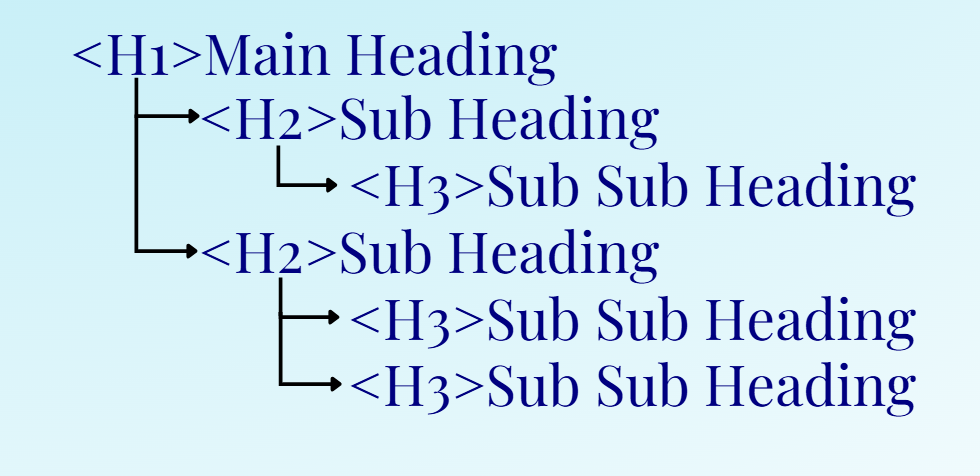
Using a logical hierarchy allows both readers and bots to skim your page efficiently. When writing these subheadings, naturally weave in related concepts without forcing them. This clean layout directly improves readability, encouraging users to stay on the page longer.
Creating a Clean URL Structure
A URL structure is the specific web address format used to locate and identify an individual page on the internet. A clean, descriptive web address is highly beneficial for both user clarity and search performance. Avoid long strings of numbers or random characters that look untrustworthy.
| URL Type | Example Format | Cleanliness Rating |
| Optimized URL | https://soumiksp.in/blogs/what-is-seo-definition-how-it-works-jobs-in-india/ | Excellent |
| Unoptimized URL | [mysite.com/index.php?id=9845&sort=true](https://mysite.com/index.php?id=9845&sort=true) | Poor |
Keep your web addresses short, use lowercase letters, and separate words using simple hyphens. Including your primary phrase here sends another clear signal to search engines about the page topic.
Image Optimisation and Alt Text
Alt text for images is a short text description embedded within an HTML tag to explain the appearance or function of a visual asset. This attribute is vital for visually impaired users who rely on screen readers to browse your site. Additionally, it helps search engines understand what your graphic represents, allowing it to rank in image search results.
To build a truly functional site, you must also use optimised images by compressing large file sizes before uploading them. Large, heavy graphics slow down your site, causing visitors to leave out of frustration. Simple compression tools can reduce file sizes by over 70% without sacrificing visible quality.
The Basics of Strategic Internal Linking
Internal linking is the intentional practice of hyperlinking one page on your website to another page within the same domain. This web of connections helps search engines map your site structure and discover new articles faster. Furthermore, it guides readers to relevant, deeper content, keeping them active on your blog.
When creating these links, pay close attention to your anchor text, which is the visible, clickable text inside the hyperlink. Avoid using generic phrases like “click here” or “read more.” Instead, use descriptive words that accurately explain what the destination page contains.
Common On-Page SEO Mistakes to Avoid
When starting, it is easy to fall into old habits that can accidentally harm your site’s performance. Recognising these issues early will save you time and preserve your search rankings. Let us look at two widespread errors that beginners frequently make.
The Dangers of Keyword Stuffing
Keyword stuffing is the counterproductive practice of overloading a web page with the same target phrases in an attempt to manipulate search rankings. Years ago, repeating a word dozens of times might have worked, but modern search engines are highly sophisticated. Today, this practice results in a terrible reading experience and can lead to search penalties.
Focus on writing naturally, using synonyms, and explaining your ideas thoroughly. If a sentence sounds awkward or robotic when read aloud, you have likely overused your keywords. Trust that search engines are smart enough to understand your topic through natural context.
Ignoring Mobile Friendliness and Page Speed
Mobile friendliness is a design standard that ensures a website displays, scales, and functions perfectly on mobile devices. Because a vast majority of global web traffic comes from smartphones, search engines rank sites based on their mobile performance. If your text is too small or buttons are too close together on a phone, your visibility will drop.
Coupled with mobile design, page speed measures how fast the content on your web page loads when a user clicks your link. Slow sites frustrate users, causing high bounce rates that signal poor quality to search platforms. You can improve loading times significantly by using clean code, minimising scripts, and compressing your images.
Your Essential On-Page SEO Checklist
To keep your future content optimisation simple and organised, use this practical essential on-page SEO elements checklist before publishing any new blog post:
- [ ] Primary keyword included in the H1 title and introduction.
- [ ] URL structure is short, descriptive, and uses hyphens.
- [ ] Title tag is under 60 characters and catches the reader’s attention.
- [ ] Meta description is under 160 characters and includes a clear call to action.
- [ ] Text uses a logical hierarchy with clear H2 and H3 subheadings.
- [ ] Images are highly compressed and include descriptive alt text.
- [ ] Internal links use specific, descriptive anchor text.
- [ ] Content is original, easy to read, and fully satisfies user search intent.
Conclusion & Next Steps
Understanding the significance of on-page SEO is a foundational victory for any new digital marketer. By focusing heavily on the elements outlined in this guide, you provide search engines with the exact data they need to index your content successfully. Remember that real optimisation is about building long-term value for the human beings reading your work.
As a next step, take one of your existing articles on your personal blog and run it through our checklist. Fix your header structures, write custom alt text for your images, and ensure your title is clear. Over time, these small structural habits will combine to grow your organic traffic and establish real topical authority.
FAQs
⮚ In simple terms, it means configuring the elements on your own website so that search engines can easily find, understand, and rank your content for users.
⮚ It can take anywhere from a few days to several weeks for changes to reflect, depending on how frequently search crawlers scan your website.
⮚ Yes, modern content management systems like WordPress allow you to manage titles, headers, URLs, and alternative text without editing raw HTML code.
⮚ We do On page seo on directly on the website. The goal is to help search engines to understand the content we provide.
While we do off page seo outside of the website. The goal is to build trust, credibility, and authority so search engines view our site as a trusted source.