The Different Types of Digital Marketing — And Which One Fits Your Career
Every digital marketer you see building a career online? They didn’t master all of digital marketing at once. They picked one lane, went deep, and expanded from there. If you’re trying to figure out where you fit, understanding the different types of digital marketing is where that clarity starts. Not to learn everything, but to spot what actually suits the way your brain works. This post breaks down 8 key types — what each one involves, what skills it rewards, and the kind of person who tends to thrive in it.
What Is Digital Marketing?
Digital marketing is the use of websites, apps, social media, search engines, and other digital channels to promote and sell products and services, according to Investopedia. With global ad spending in the Digital Advertising market reaching US$798.7 billion in 2025 and over 5.5 billion internet users worldwide, according to GeeksForGeeks, businesses are competing aggressively for online attention. That competition is exactly why skilled digital marketers are in demand across every industry — and why understanding your options before you start matters.
The Different Types of Digital Marketing, Explained
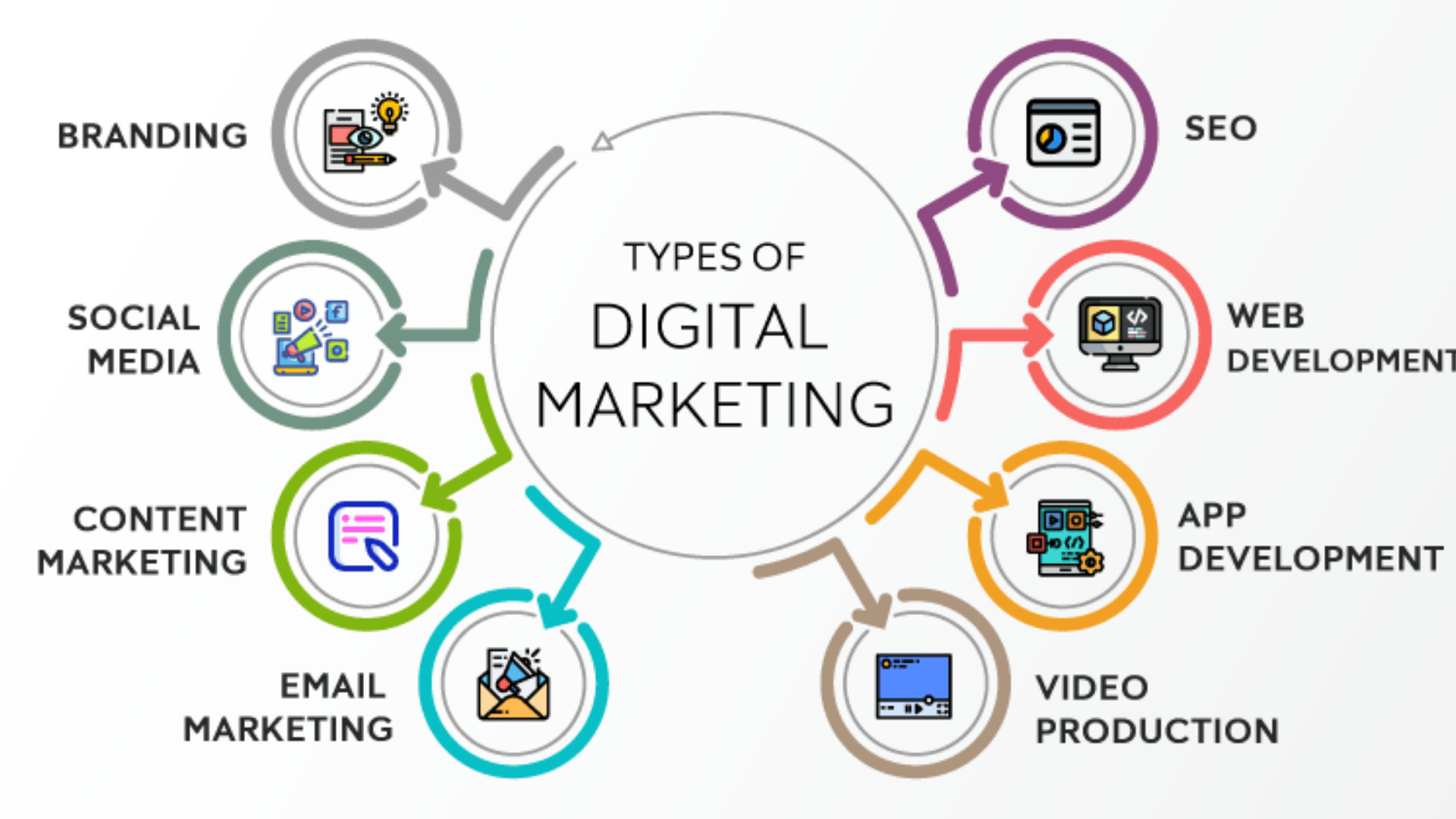
Below are eight of the most established types — the ones that actually translate into distinct career roles and specialisations you can build a skill set around.
1. Search Engine Optimisation (SEO)
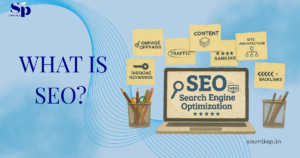
SEO is the practice of improving a website’s position in organic (unpaid) search results. The goal is to help people find a site naturally when they search for relevant terms on Google or Bing.
According to Moz, as cited by SNHU, SEO involves three core pillars: content indexing (ensuring search engines can read your content), link structure (ensuring your site can be crawled efficiently), and keyword targeting (using the right terms in the right places across your pages). It is a long-game discipline — results take months, but they compound over time without ongoing ad spend.
Who thrives here: People who enjoy research, logic, and systematic thinking. SEO rewards patience, precision, and the ability to think long-term.
2. Content Marketing
Content marketing uses blog posts, articles, videos, podcasts, white papers, and e-books to attract and engage a specific audience, to build trust that eventually leads to a customer relationship, according to SNHU. Unlike paid advertising, it is a long-term strategy. Over time, marketers build a library of content that continues to drive traffic through search engines even without additional effort, according to Adobe Experience Cloud.
Content marketing works closely with SEO and feeds directly into social media and email campaigns. It is rarely a standalone function.
Who thrives here: Writers, educators, and storytellers. If you like creating things that genuinely help people rather than directly selling to them, content marketing is a strong fit.
3. Social Media Marketing (SMM)
Social media marketing covers everything a brand does across platforms like Instagram, Facebook, LinkedIn, and TikTok — not just posting, but building strategy, analysing performance metrics, and coordinating with other marketing functions, according to SNHU. With over 3.96 billion social media users across all platforms, according to GeeksForGeeks, the scale of this channel makes it central to most marketing strategies.
The numbers back its importance: according to Statista, cited by SNHU, 86% of industry professionals identified increased brand exposure as social media’s leading benefit in 2023, and 76% of companies claimed increased website traffic as their largest advantage. Nearly 7 in 10 shoppers now use social media for shopping inspiration or to make purchases directly, according to Investopedia.
Who thrives here: People who enjoy both creative thinking and data interpretation. This role is far less about posting content and far more about strategy, testing, and audience understanding.
4. Pay-Per-Click Advertising (PPC)/ Search Engine Marketing (SEM)
PPC, also known as Search Engine Marketing(SEM), was once used to describe both paid advertising and organic SEO efforts. However, in modern digital marketing, SEM is now primarily associated with paid search advertising on platforms like Google Ads and Bing Ads.
PPC refers to paid digital ads where you pay only when someone clicks — search ads, social ads, display ads, and video pre-rolls. Google Ads is the most widely used platform. The model allows precise targeting by demographics, location, interests, and keywords, according to Investopedia. Marketers can also run PPC campaigns on Bing, LinkedIn, Meta, Pinterest, and X.
The key difference from SEO: PPC delivers traffic immediately, but stops the moment spending stops. It is a performance-based discipline with real-time feedback on what is and isn’t working — and it requires active budget management throughout each campaign.
Who thrives here: Analytical, data-driven people who enjoy fast feedback loops. Budget management, structured testing, and attention to cost-per-result metrics are central to this role.
5. Email Marketing
Despite the rise of social media and new digital channels, email remains one of the most effective digital marketing tools available, according to both SNHU and Investopedia. Effective email marketers go well beyond writing good copy — they understand audience segmentation, open rate optimisation, click-through rate analysis, and automated email sequences.
According to Constant Contact, cited by SNHU, proven strategies include personalisation (such as using the recipient’s name in subject lines), urgency-based messaging, and giving subscribers control over how often they hear from a brand. These tactics directly improve the two metrics email marketers track most: open rate and click-through rate.
Who thrives here: People who are equally comfortable with psychology, persuasion, and data analysis. Strong writing ability helps, but the testing mindset — always iterating based on results — matters more.
6. Affiliate and Influencer Marketing
Affiliate marketing is performance-based: an affiliate promotes another brand’s product and earns a commission for every sale or qualified lead they generate, according to GeeksForGeeks. Influencer marketing is closely related — brands partner with social media personalities to reach their audiences through sponsored content.
The scale here is significant. The affiliate marketing industry was estimated at $13 billion in 2023, according to Influencer Marketing Hub, cited by SNHU. Amazon’s affiliate programme alone pays out millions of dollars annually to affiliates who help sell its products, according to Investopedia.
Who thrives here: Self-starters who are comfortable building an audience or a platform independently. This specialisation rewards consistency, niche authority, and the ability to create content that converts without feeling like a hard sell.
7. Marketing Analytics
Marketing analytics is the practice of tracking, measuring, and interpreting data from digital campaigns to make better strategic decisions. Tools like Google Analytics measure everything from keyword performance to user navigation behaviour to campaign ROI, according to SNHU. Digital marketing’s core structural advantage over traditional marketing is that everything is measurable, which makes the analytics function central to how marketing teams operate, not just a support role.
Key performance indicators that analytics professionals track include click-through rate, conversion rate, social media engagement, and overall website traffic, according to Investopedia.
Who thrives here: Quantitative thinkers who are comfortable working in data dashboards, spreadsheets, and reporting tools. This role increasingly overlaps with data science and business intelligence.
8. Video Marketing
Video marketing uses platforms like YouTube, TikTok, Instagram Reels, and Facebook Videos to reach audiences through visual content. Consumers increasingly turn to video before making purchase decisions — to research products, compare options, and learn how to use something, according to Investopedia. Companies that extract the most value from video typically integrate it with SEO, content marketing, and broader social media strategies rather than treating it as a standalone effort.
Who thrives here: People with a creative eye, comfort in front of or behind a camera, and patience for the production process. Strong scripting and storytelling instincts translate directly here.
So, Which Type of Digital Marketing Should You Focus On?
The honest answer: most digital marketing professionals start in one area and expand as they build experience. SEO and content marketing are common entry points — they are interconnected, require no ad budget to learn, and are in consistent demand. PPC and analytics attract people who want measurable, data-driven roles with clear performance targets. Social media and influencer marketing suit those who want to build audiences and work creatively.
According to the U.S. Bureau of Labour Statistics, cited by SNHU, advertising, promotions, and marketing management roles are projected to grow 6% through 2032, with a median salary of $156,580 recorded in 2022. The field is growing — the real task is picking where to begin, going deep, and letting that specialisation open doors.
Understanding These Types Is Just the Starting Point
Knowing the different types of digital marketing does not mean you need to choose everything at once. It means you now have a clearer map of what this field actually looks like — and where your strengths might naturally land. Whether you are drawn to the logic of SEO, the creativity of content, the speed of PPC, or the data density of analytics, each is a genuine, in-demand career path on its own.
Pick the one that fits. Go deep.
Stay connected to know more.
FAQs
> The most widely recognised list includes 8 core types: SEO, content marketing, social media marketing, PPC, email marketing, affiliate and influencer marketing, marketing analytics, and video marketing. Some sources expand this to 9 or more by treating mobile marketing and viral marketing as separate categories.
> SEO and content marketing are generally the most accessible starting points. They require no ad budget to learn, the skills transfer across multiple roles, and they are in consistent demand across almost every industry.
> No. Most working professionals specialise in one or two areas rather than trying to master all of them at once. Breadth comes later — depth is what gets you hired first.
> Performance marketing (PPC), marketing analytics, and senior SEO strategy roles tend to command the highest packages. The U.S. Bureau of Labour Statistics reported a median salary of $156,580 for advertising and marketing managers in 2022, according to SNHU.
> Yes. Digital marketing is a skills-first field. Certifications, structured learning, and real project experience regularly outweigh academic credentials in hiring decisions across most specialisations.